Duane-Casting
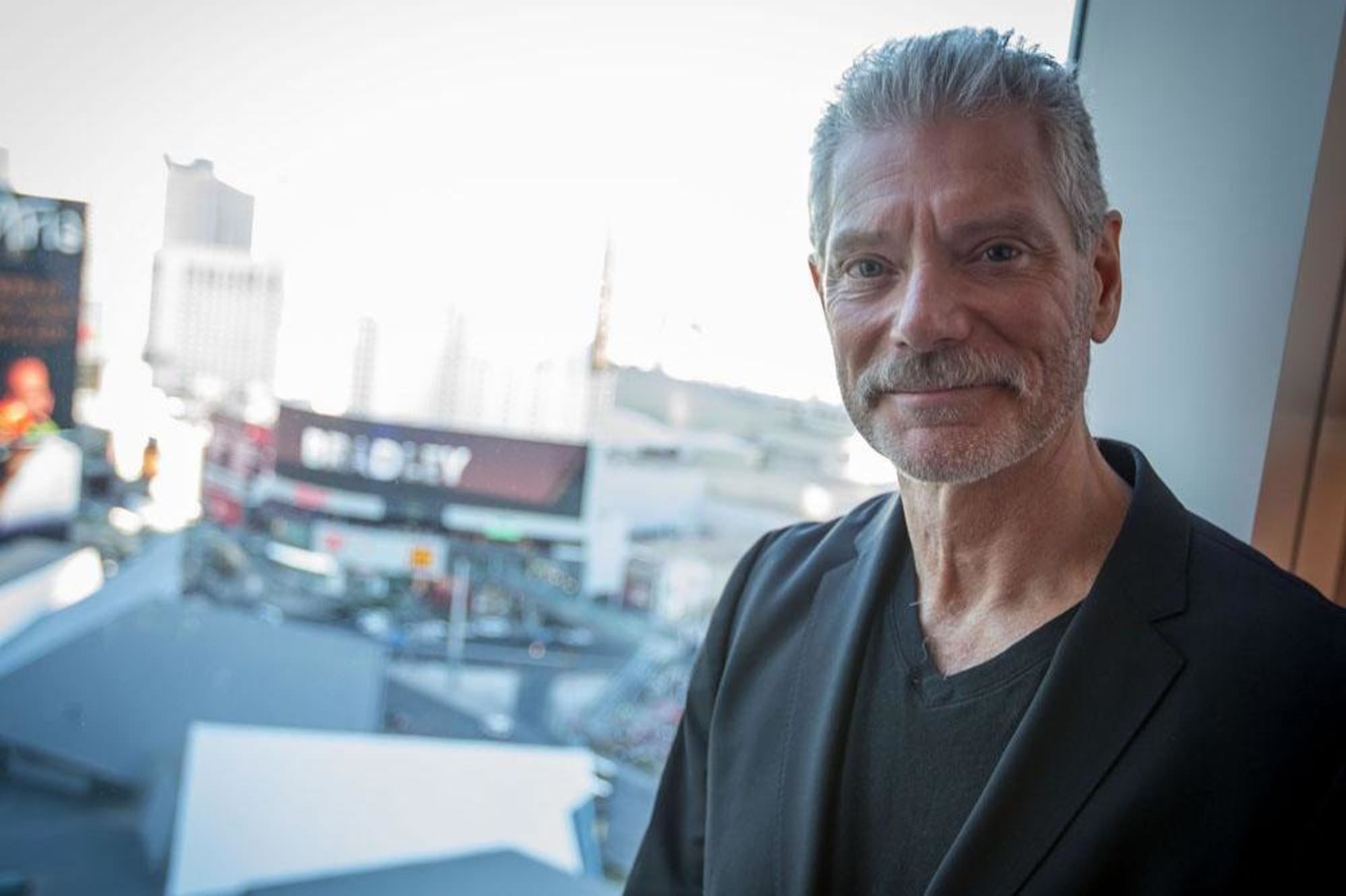
In December, State Sen. Tom Duane (D-Manhattan) faced one of his greatest fears about a plan to put a waste transfer station at 59th Street in Hudson River Park. While Duane was touring a Jersey City site similar to the one proposed for Manhattan, a large black rat skittered across his path.
In the past, such an incident – and its potentially enormous impact on Duane’s opposition to the project – would have gone unnoticed by the public. Now, however, thanks to Duane’s new monthly podcast, anyone can hear his reaction to that unscripted moment.
“A rather large rat just ran across my foot, and I’m just glad I didn’t go ‘AAAYYYH!’” Duane said. “I just went ‘Ah!’… I think.”
The podcast, which is simply a digital audio file, allows anyone to ride along with Duane on his fact-finding visit. Duane posted the 11-minute segment to his website, www.tomduane.com, in December and plans to produce a new one each month.
Even though the piece almost sounds like it could be on National Public Radio, Duane never hides his political agenda.
Duane joins other prominent political podcasters like Illinois Sen. Barack Obama (D) and Massachusetts Sen. John Kerry (D) who have embraced the immediacy and intimacy of the format.
Duane’s podcasting ambitions are decidedly more local than those potential 2008 presidential candidates, though. He said his podcast simply “is another way to bring information and education about the issues to the people of my district.”
Adam Riff, Duane’s aide who first proposed and produced the podcast, said the online format reaches “people who are curious about issues in the community but wouldn’t open a newsletter or attend a community board meeting.”
The recording allows Duane’s constituents to hear for themselves the noise of a waste transfer station working at full throttle. A podcast also allows Duane to make his case directly on any given issue without having to rely on reporters. And even though the piece almost sounds like it could be on National Public Radio, Duane never hides his political agenda.
That black rat, along with the powerful smells and noise he encountered in Jersey City, “totally reinforced my conviction that the Gansevoort Peninsula is not the place to build one of these waste transfer stations,” Duane states in the podcast.
For Riff, the segment allowed him to make use of his college radio experience. The whole segment took a few hours to put together. But because the first podcast followed Duane on a visit he would have been making anyway, the senator’s schedule was hardly affected. Riff said additional voiceover work took only 10 or 15 minutes.
Not everything went smoothly, though. Riff’s recorder malfunctioned just as the rat made his appearance. A faintly audible ‘what happened?’ elicits Duane’s self-deprecating reaction to the rat encounter.
Duane himself does not own an iPod. Even though podcasts can be listened to on computer, he relies on the younger members of his staff to listen to his podcasts.
Response to Duane’s first podcast has been light so far. Duane cited one message from a constituent who found the waste facility piece “enlightening.”
Nonetheless, Duane plans a new podcast every month for the foreseeable future. He anticipates addressing issues like same sex marriage, of which he is a strong proponent, and Gov. Eliot Spitzer’s (D) first 100 days in office.
January’s podcast will be a personal essay on how Duane has succeeded as a Democrat in the Republican-controlled State Senate. Earlier this month, Duane was named the new floor leader under new Minority Leader Malcolm Smith (D-Queens).
“There’s a belief that when you’re a minority legislator you can’t get anything done, and my experience is quite the contrary,” Duane said.
The format of the piece will be the exception to the rule: people who tune in for future podcasts should not expect to hear just Duane talking, he added.
“Most of the podcasts will not just be my voice, but the voices of constituents,” he said, joking that even he sometimes tires of hearing himself talk.